MARITIME LOGISTICS

Connecting Cargo.
Moving Trade.

International Serankua Group is developing coordinated maritime logistics capabilities to support bulk commodities, containerized cargo and international trade flows across strategic ports and global markets.

BULK CARGO CONTAINERIZED FREIGHT PORT OPERATIONS GLOBAL SHIPPING
PORT-TO-PORT COORDINATION BULK · GENERAL CARGO · CONTAINERS
OUR MARITIME STRATEGY

Building Maritime Capacity
Around Real Trade Flows.

International Serankua Group is developing a maritime logistics strategy designed around the physical movement of the commodities, industrial products and containerized cargo traded across its international network.

The objective is to progressively strengthen direct control over maritime capacity while maintaining the flexibility to coordinate third-party vessels, ports, terminals and specialized logistics partners according to each operation.

BULK & GENERAL CARGO

Flexible Capacity for
Commodity Trade

Geared vessels provide operational flexibility for dry bulk, breakbulk and general cargo movements, including commodities and industrial materials handled through ports with different infrastructure capabilities.
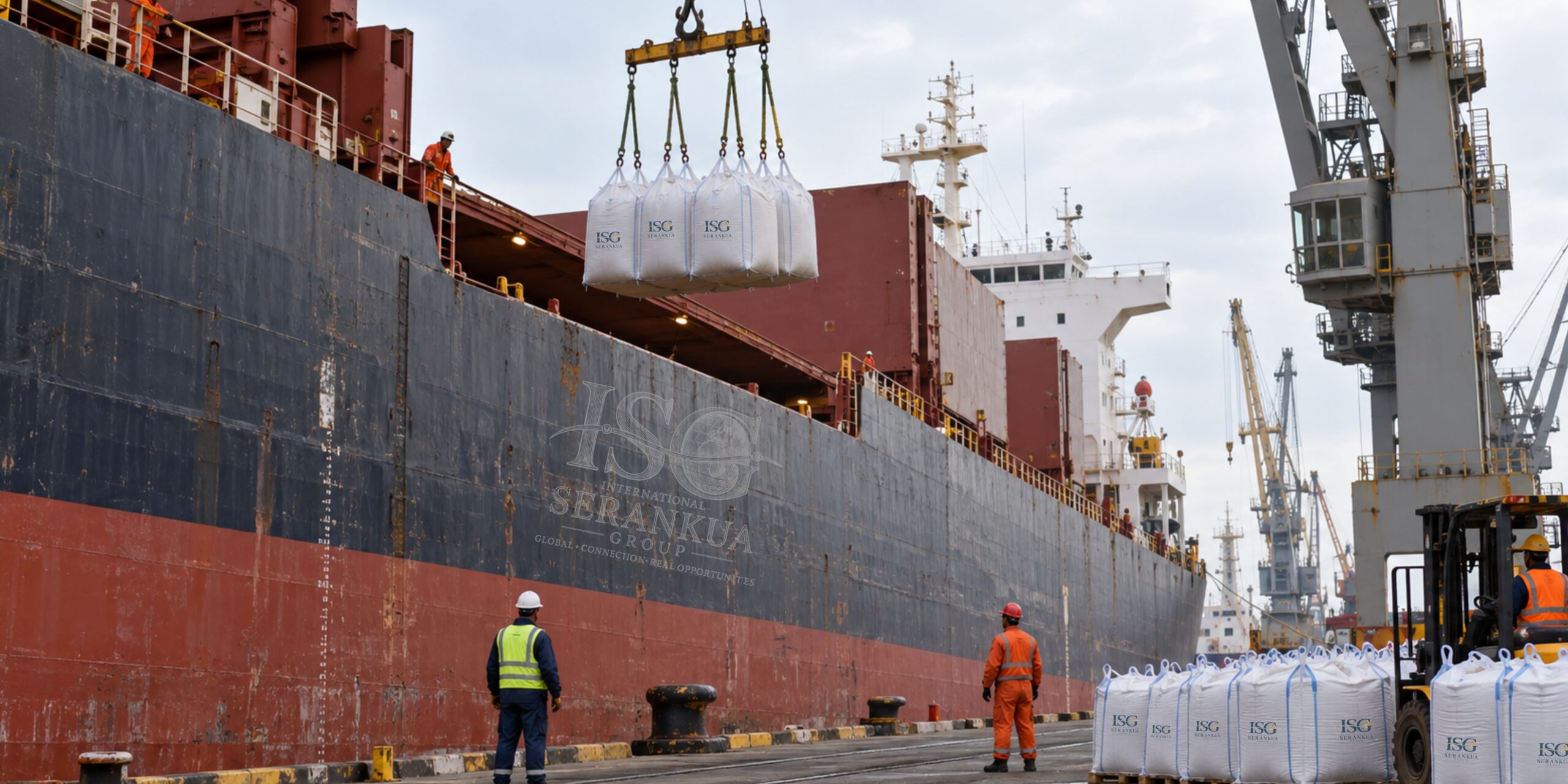
DRY BULK BREAKBULK GENERAL CARGO
CONTAINERS & REEFER

Containerized Cargo.
Temperature-Controlled Supply.

Container capacity extends the logistics platform to manufactured products, food commodities and temperature-sensitive cargo, supporting both standard and refrigerated container operations.

40 FT CONTAINERS REEFER GENERAL FREIGHT
PORT-TO-PORT COORDINATION

Integrated Maritime
Execution

Vessel planning is coordinated with cargo availability, loading capacity, port restrictions, destination requirements and onward logistics to create commercially viable maritime movements.

PORT OPERATIONS VESSEL PLANNING LOGISTICS
LONG-TERM MARITIME DEVELOPMENT

The strategy is designed to evolve progressively toward a dedicated maritime logistics capability within the Serankua business ecosystem, supporting recurring trade corridors and reducing dependence on fragmented vessel availability.

VESSEL & CARGO PROFILES

Different Cargo.
Flexible Maritime Solutions.

International Serankua Group structures maritime operations around the characteristics of each cargo, its presentation, loading method, route and port requirements.

The cargo profiles shown represent different commercial applications of ISG's maritime logistics strategy. The same vessel configuration may support multiple compatible cargo types depending on each voyage, loading method, route and port requirements.

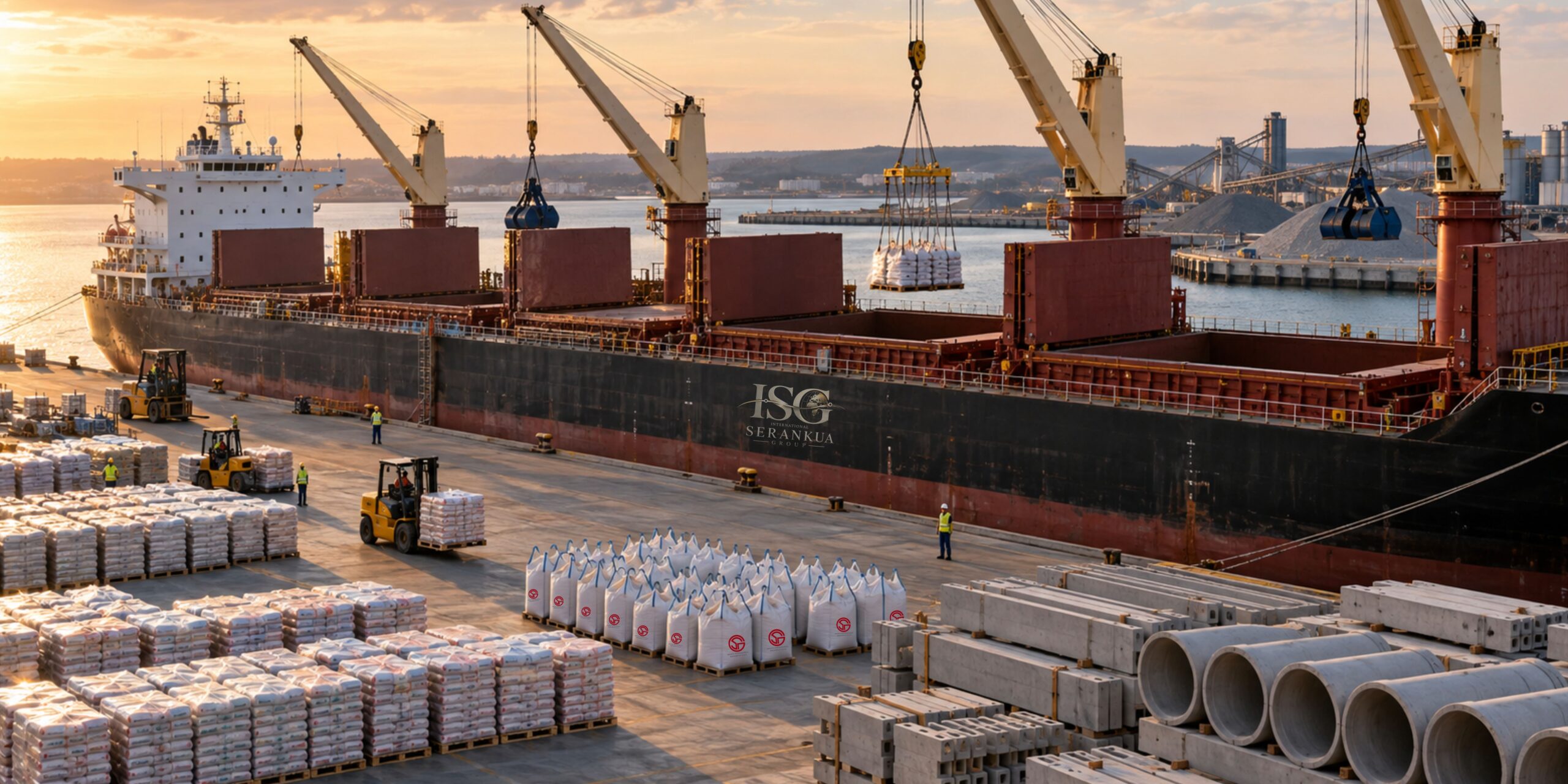
Bulk and general cargo vessel loading construction materials
BULK & GENERAL CARGO

Construction, Fertilizers
& Dry Bulk

Flexible bulk and general cargo capacity for construction materials, mineral fertilizers and compatible industrial commodities, according to product presentation and handling requirements.

CEMENT CLINKER FERTILIZERS AGGREGATES MINERALS
Breakbulk vessel loading agricultural commodities in super bags
AGRICULTURAL CARGO

Agricultural &
Bagged Commodities

Adaptable cargo handling for agricultural commodities, bagged products, super bags and other unitized or packaged cargo according to the commercial presentation of each product.

SUGAR GRAINS RICE BEANS GREEN COFFEE SUPER BAGS
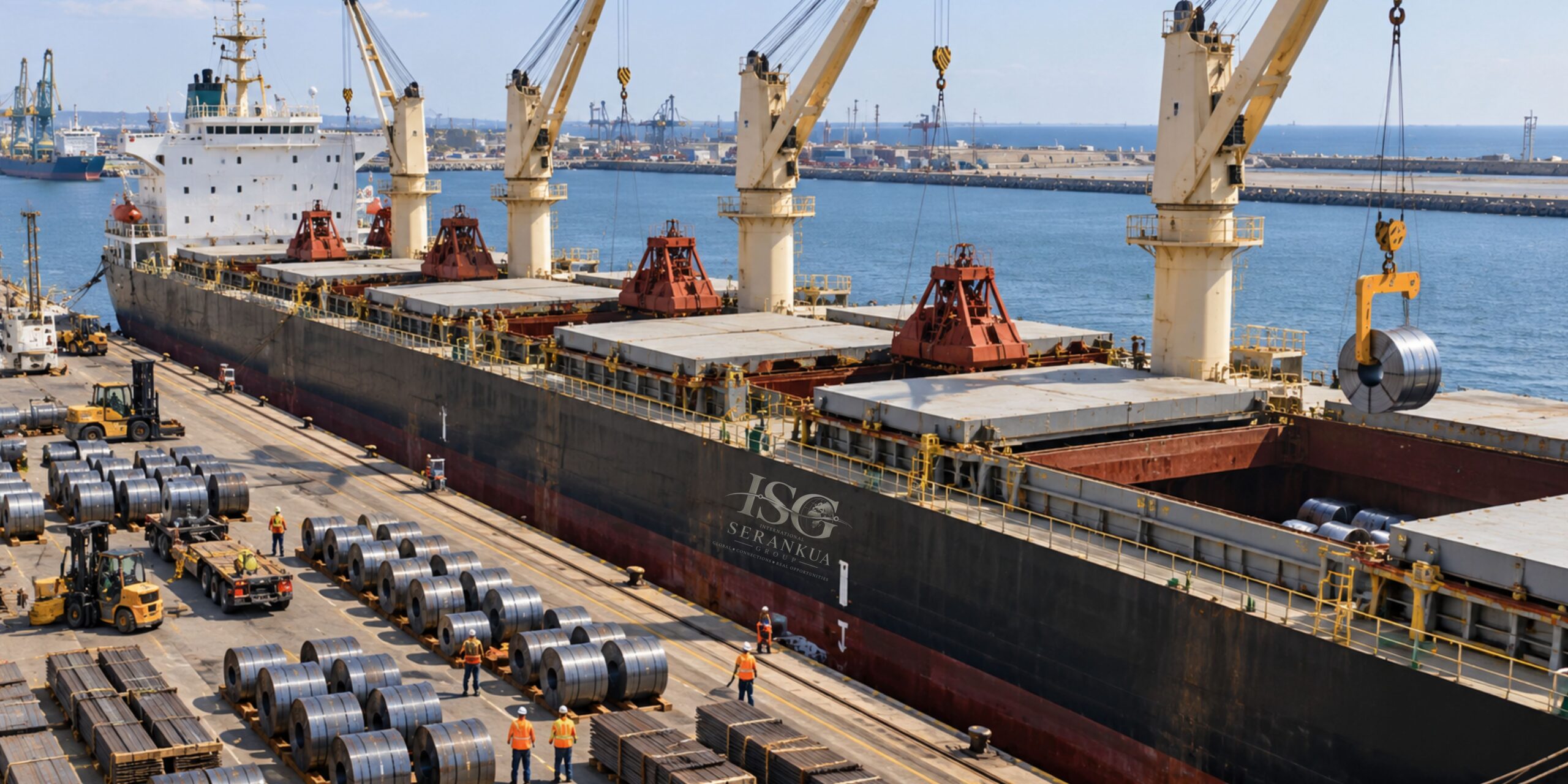
Steel coils and industrial cargo being loaded onto a vessel
INDUSTRIAL CARGO

Steel &
Industrial Cargo

Maritime solutions for steel products, metal cargo and industrial materials requiring controlled stowage, suitable lifting capacity and specialized handling.

STEEL COILS PLATES PROFILES PIPES METAL PRODUCTS INDUSTRIAL CARGO
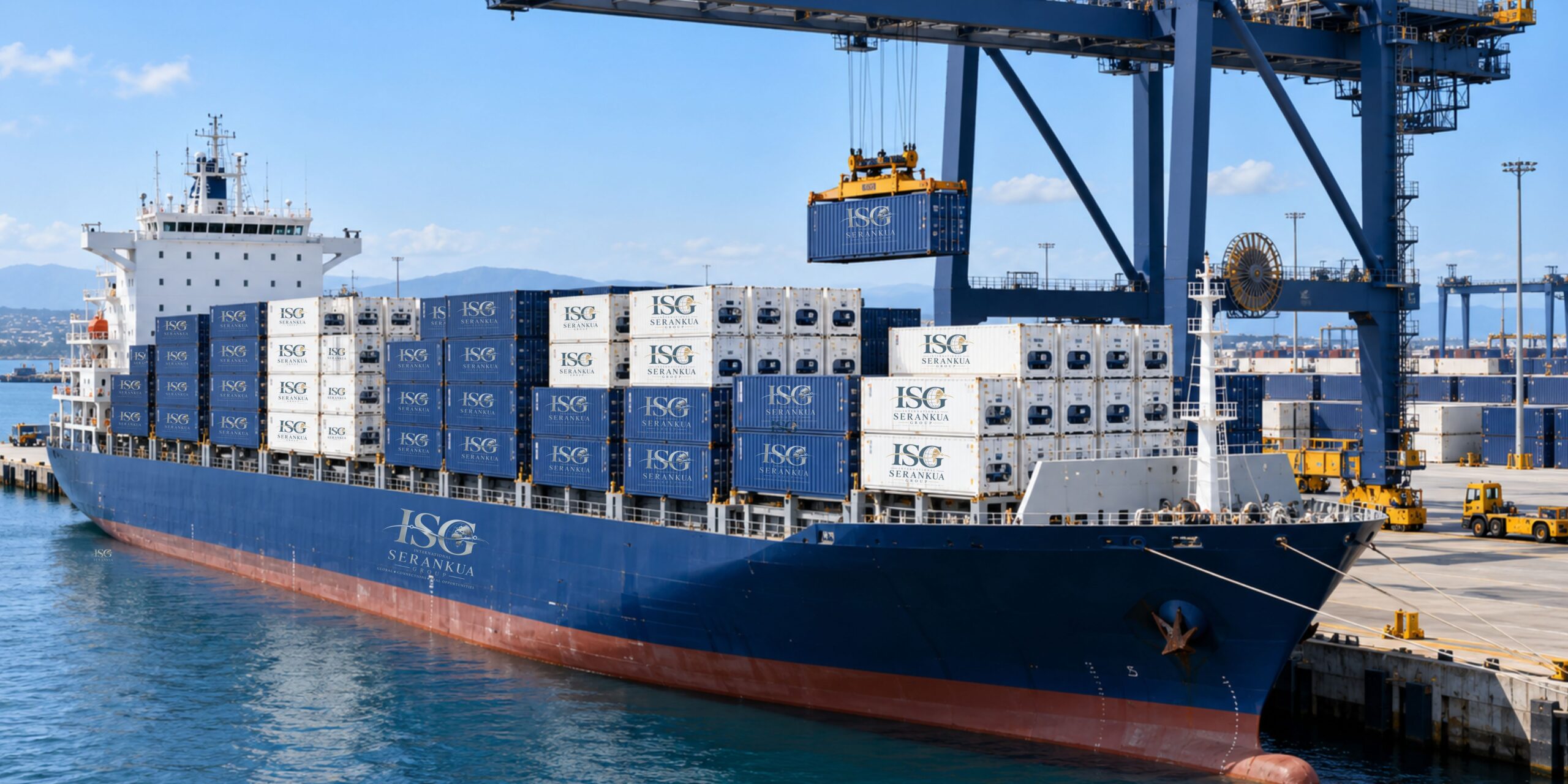
Container vessel loading international commercial cargo
CONTAINERIZED CARGO

Containerized &
Refrigerated Cargo

Flexible container capacity for general freight, food products, temperature-controlled cargo, equipment and international commercial shipments.

500
CONTAINERS 40 FT CAPACITY
REEFER CARGO MEAT & POULTRY FOOD PRODUCTS AGRICULTURAL PRODUCTS EQUIPMENT & SUPPLIES GENERAL FREIGHT
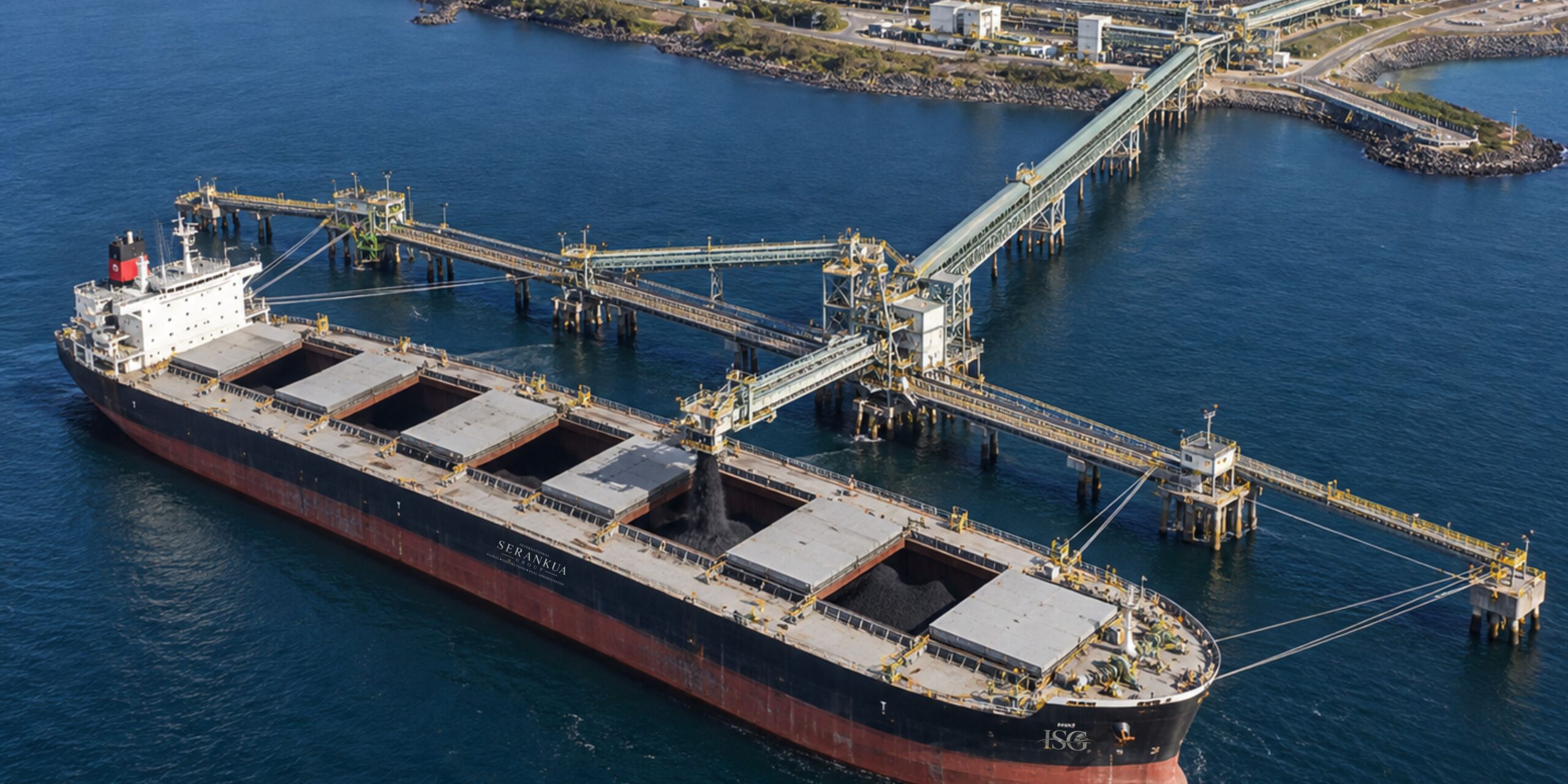
Bulk vessel loading coal at a maritime terminal
BULK COMMODITIES

Coal, Petcoke
& Mineral Bulk

High-volume maritime capacity for energy commodities, industrial minerals and other compatible dry bulk cargo requiring efficient terminal-to-vessel operations.

COAL PETCOKE INDUSTRIAL MINERALS DRY BULK

Representative Cargo Profiles. Images illustrate representative maritime operations and cargo applications. Vessel selection, capacity, stowage configuration, loading method and port operations are determined according to cargo characteristics, shipment volume, origin, destination, port restrictions and the requirements of each voyage.

FLEET DEVELOPMENT PROGRAM

Contracted Capacity Today.
A Mixed Owned Fleet for the Future.

International Serankua Group currently structures its maritime operations through contracted vessel capacity. Alongside this operating model, the Group is developing a four-year fleet acquisition program aimed at progressively establishing its own mixed maritime fleet.

FOUR-YEAR DEVELOPMENT PROGRAM

Progressive Fleet
Acquisition

The program is designed to expand owned maritime capacity progressively, aligning vessel acquisition with recurring cargo volumes, trade corridors and the operational requirements of the Group's international activities.

4 YEAR DEVELOPMENT
PROGRAM
UP TO 3 VESSEL ACQUISITIONS
PER YEAR
MIXED OWNED FLEET
STRATEGY
CURRENT OPERATING MODEL

Contracted Vessel Capacity

Maritime operations are initially supported through contracted and chartered vessels selected according to cargo type, volume, route, loading conditions and port requirements.

CONTRACTED VESSELS ROUTE FLEXIBILITY CARGO-BASED SELECTION PORT COMPATIBILITY
OWN FLEET DEVELOPMENT

Progressive Vessel Acquisition

As recurring maritime corridors and cargo volumes consolidate, vessels are intended to be incorporated progressively into the Group's own fleet under the four-year development program.

VESSEL ACQUISITION RECURRING ROUTES CAPACITY CONTROL LONG-TERM LOGISTICS
LONG-TERM OPERATING MODEL

Owned Fleet + Contracted Capacity

Fleet ownership is designed to complement, rather than eliminate, external vessel capacity. Owned assets, chartered vessels and specialized maritime partners may operate together according to each commercial requirement.

OWNED ASSETS CHARTERED CAPACITY STRATEGIC PARTNERS SCALABLE OPERATIONS
MIXED FLEET PROFILE

Geared Bulk &
General Cargo Vessel

A versatile geared vessel profile supporting dry bulk, breakbulk, construction materials, agricultural commodities, steel products and industrial cargo.

VESSEL CLASS HANDYSIZE / GEARED
REFERENCE CAPACITY ≈ 33,500 DWT
CARGO HANDLING 4 ONBOARD CRANES
APPLICATION BULK · BREAKBULK · GENERAL CARGO
MIXED FLEET PROFILE

Container &
Reefer Vessel

A flexible container vessel profile supporting general freight, food products, refrigerated cargo, equipment and international commercial shipments.

VESSEL TYPE CONTAINER VESSEL
REFERENCE CAPACITY 500 × 40 FT CONTAINERS
CARGO CONFIGURATION FLEXIBLE BY VOYAGE
APPLICATION DRY · REEFER · COMMERCIAL CARGO
A SCALABLE MARITIME PLATFORM

The objective is to establish a diversified owned fleet capable of supporting the Group's recurring bulk, general cargo, containerized and temperature-controlled trade flows while retaining access to contracted maritime capacity whenever additional or specialized tonnage is required.

FLEET DESIGN & PORT ACCESSIBILITY

Different Ports.
Different Requirements.

International Serankua Group's mixed-fleet strategy is designed not only around cargo type, but also around port accessibility. Vessel size, draft, onboard cargo-handling capability and cargo configuration are selected to support both larger terminals and ports with more restrictive operating conditions.

PORT ACCESS

Shallow Draft
Access

Part of the fleet strategy is designed to support operations in ports with more limited draft conditions, allowing access to regional and specialized terminals that may not be suitable for larger deep-draft vessels.

LOWER DRAFT REGIONAL PORTS FLEXIBLE ACCESS
OPERATIONAL FLEXIBILITY

Geared Vessels for
Limited Infrastructure

Vessels equipped with onboard cranes provide greater autonomy in terminals where shore-side cargo-handling infrastructure is limited, supporting more flexible loading and discharge operations.

ONBOARD CRANES TERMINAL FLEXIBILITY INDEPENDENT HANDLING
SCALE & VOLUME

Deep-Water Ports &
Higher-Volume Operations

The mixed-fleet model also considers operations through larger ports and deeper-water terminals where higher cargo volumes and larger vessel configurations can provide stronger commercial efficiency.

DEEP-WATER TERMINALS HIGHER VOLUME TRADE EFFICIENCY
MIXED FLEET STRATEGY

Bulk, General Cargo,
Container & Reefer Flexibility

A mixed fleet allows the Group to align vessel configuration with each cargo profile, from bulk and breakbulk shipments to containerized, refrigerated and commercial freight movements across different trade corridors.

BULK BREAKBULK CONTAINERS REEFER
DESIGN PRINCIPLE

The objective is to build a fleet capable of serving a broad range of port conditions and commercial scenarios, combining accessibility, cargo-handling flexibility and scalable maritime capacity across the Group's logistics network.

STRATEGIC MARITIME CORRIDORS

Strategic Origins.
Global Destinations.

International Serankua Group structures maritime movements around commercial flows rather than fixed shipping routes. Its logistics network connects strategic supply origins and maritime hubs across the Americas, Europe, Türkiye, Africa, the Middle East and Asia-Pacific.

ORIGIN SOUTH AMERICA Brazil · Colombia · Venezuela
DESTINATION EUROPE & TÜRKİYE

Atlantic &
Mediterranean Trade

Maritime flows connecting South American commodity, agricultural, food and industrial supply with European and Turkish destination markets.

AGRICULTURAL COMMODITIES SUGAR FOOD PRODUCTS COAL PETCOKE MINERALS
ORIGIN SOUTH AMERICA Brazil · Colombia · Venezuela
DESTINATION NORTH AMERICA United States · Canada

North American
Trade Connections

Maritime connectivity supporting agricultural products, food commodities, industrial materials, containerized freight and other commercial cargo into North American markets.

FOOD PRODUCTS AGRICULTURAL COMMODITIES INDUSTRIAL MINERALS CONTAINERS COMMERCIAL CARGO
ORIGIN SOUTH AMERICA Brazil · Colombia · Venezuela
DESTINATION MIDDLE EAST & AFRICA

Food, Commodity &
Infrastructure Supply

Flexible maritime connections for food, agricultural commodities, energy-related cargo, fertilizers and construction materials across Middle Eastern and African markets.

FOOD PRODUCTS AGRICULTURAL PRODUCTS PETCOKE FERTILIZERS CONSTRUCTION MATERIALS
ORIGIN / HUB SOUTH AMERICA & PANAMA Brazil · Colombia · Venezuela · Panama
DESTINATION ASIA-PACIFIC

Transoceanic
Commodity Corridors

Long-haul maritime operations connecting South American supply with Asian and Pacific markets, with Panama providing strategic Atlantic-Pacific connectivity where operationally suitable.

COAL PETCOKE MINERALS GRAINS FOOD PRODUCTS CONTAINERS
ORIGIN TÜRKİYE & EUROPE Mediterranean · European Supply
DESTINATION THE AMERICAS North · Central · South · Caribbean

Industrial &
Construction Supply

Maritime flows connecting Turkish and European industrial supply with markets throughout North America, Latin America, Panama and the Caribbean.

STEEL METALS FERTILIZERS CEMENT EQUIPMENT INDUSTRIAL SUPPLY
ORIGIN ASIA China · Regional Supply
DESTINATION EUROPE & THE AMERICAS

Manufactured &
Industrial Cargo

Containerized and general cargo movements connecting Asian manufacturing and industrial supply with European, North American, Latin American and Caribbean markets.

EQUIPMENT STEEL PRODUCTS INDUSTRIAL GOODS GENERAL FREIGHT CONTAINERS
STRATEGIC MARITIME NODES

Origins, Ports &
Commercial Gateways.

The network combines commodity origins, port infrastructure, interoceanic connectivity and commercial coordination points supporting trade across the Atlantic, Caribbean, Mediterranean and Pacific.

PANAMA Interoceanic & Commercial Hub Panama Canal · Atlantic-Pacific connectivity · Americas gateway
VENEZUELA Energy & Commodity Origin Petcoke · energy-related cargo · Caribbean connectivity
COLOMBIA Barranquilla Regional operations · restricted-draft capability
COLOMBIA Puerto Nuevo Higher-volume bulk operations
BRAZIL Agricultural & Food Origin Sugar · grains · coffee · food and protein products
TÜRKİYE Mediterranean Industrial Gateway Steel · metals · fertilizers · cement · industrial supply
STRATEGIC ORIGINS & MARITIME HUBS GLOBAL DESTINATIONS ONE COORDINATED NETWORK

Flexible Network. Corridors and maritime nodes shown are representative rather than exclusive. Additional origins, destination markets and ports may be incorporated according to product availability, commercial demand, vessel suitability, logistics feasibility and transaction requirements.

MARITIME LOGISTICS

Plan Your Cargo Movement.

Maritime operations are coordinated according to cargo type, volume, origin, destination, port conditions, vessel requirements and the logistics procedures applicable to each transaction.

CARGO VOLUME ORIGIN DESTINATION PORT REQUIREMENTS LOGISTICS PROCEDURE
CONTACT OUR COMMERCIAL TEAM →
TOP